Breaking stigmas around male pleasure. Expert advice on stamina training, prostate health, and ergonomic design.
The Inner Circle
Unlock 15% Off
Join our newsletter for expert intimacy tips, discreet guides, and exclusive member-only offers.
If you have ever wished you could last longer in bed, you are in good company. Premature ejaculation is the most common sexual complaint among men — and even men without a clinical problem often want more control.
The good news: stamina is a skill, not a trait. Like any skill, it responds to training. This guide explains the science behind ejaculation control and gives you a plan you can actually follow.
The Physiology of Ejaculation
To train stamina, you first need to understand what you are working with.
Think of arousal as a scale from 1 to 10. Around 7–8, you enter what sex researchers call the "ejaculatory inevitability" zone. At roughly 9, you cross the point of no return (PONR) — the moment ejaculation can no longer be stopped.
Two nervous-system branches fight over this scale:
The sympathetic system — the "accelerator." Arousal, excitement, and anxiety all step on this gas pedal.
The parasympathetic system — the "brake." Relaxation, slow breathing, and a calm mind keep the pedal off the floor.
Men who finish too fast usually have a hair-trigger accelerator and an untrained brake. Stamina training is simply the practice of learning to ride the scale between 7 and 9 — staying close to the edge without falling over it.
Why the Stop-Start Method Works
The stop-start method (developed by sex researchers Masters and Johnson in the 1950s) remains the gold standard of ejaculation control training. Here is the classic version:
Stimulate until you reach about 7–8 on the arousal scale.
Stop all stimulation before the point of no return.
Rest for 30–60 seconds until arousal drops back to about 5.
Repeat the cycle 3–5 times before allowing yourself to finish.
Why does it work? Each cycle teaches your nervous system to recognize the approach of the PONR earlier — and proves to your brain that arousal can go down again without climaxing. You are literally building the neurological pathway for control.
Stop-start is the foundation. These three pillars build the house.
Pillar 1: Nervous System Retraining
Consistency is the key to retraining — and your hand is an inconsistent training partner. Speed, pressure, and grip vary from session to session, which muddies the feedback your brain receives.
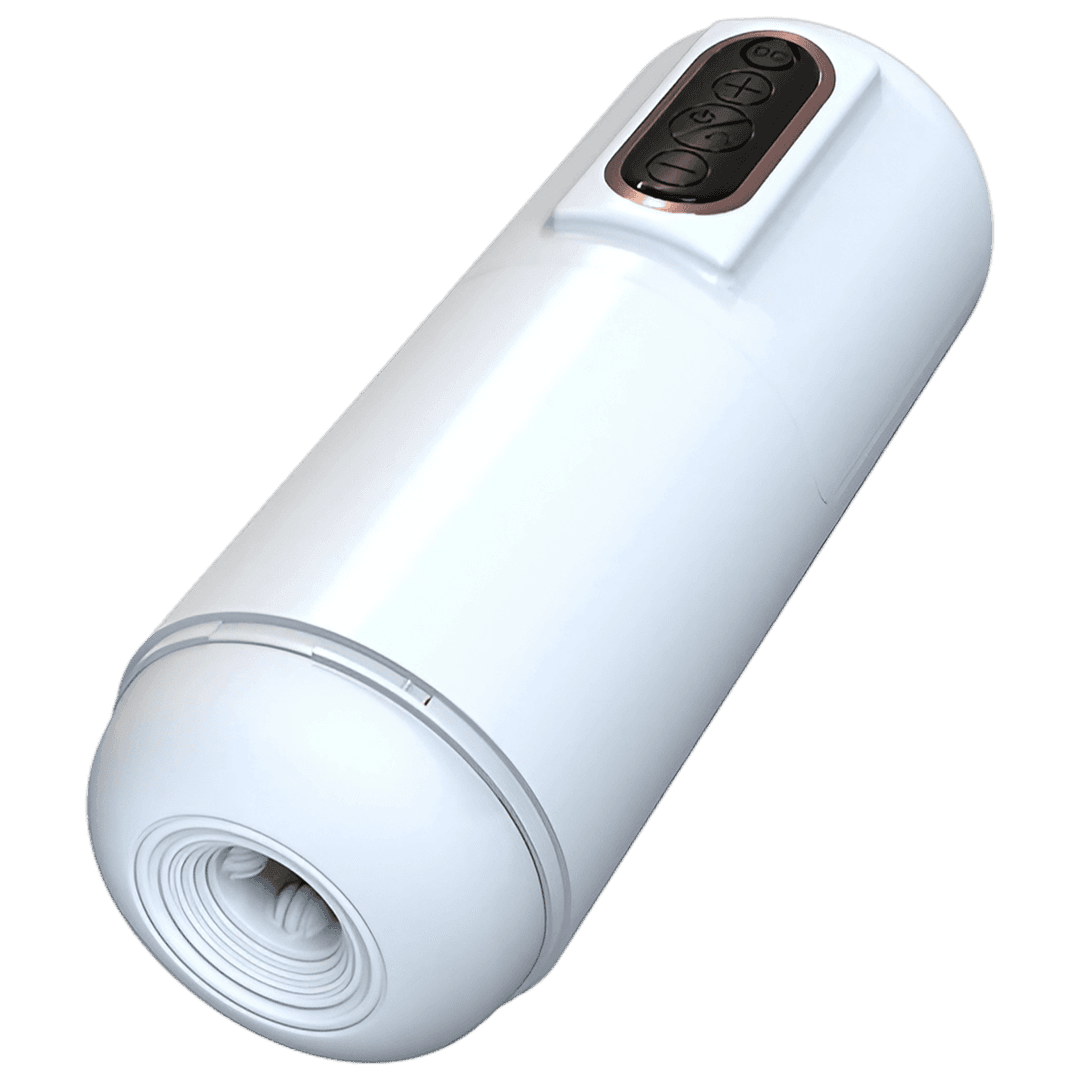
An auto-thrusting trainer like The Piston delivers the same rhythm every time. That matters, because it lets you isolate one variable: how close to the edge am I? You learn to read your own arousal level with precision, which is exactly the skill you need with a partner.
Pillar 2: Pelvic Floor Control
Your pelvic floor is the muscle group most men never train — and it is deeply involved in ejaculation.
A chronically tight pelvic floor makes climax arrive faster. The fix is twofold:
Reverse kegels — the practice of releasing the pelvic floor, like the exhale at the end of urination. This is the "brake" in muscle form.
Traditional kegels — short squeezes that build awareness and control.
The mental side is half the battle. When you feel the edge approaching, your instinct is to tense up, hold your breath, and push through — all of which accelerate ejaculation.
Instead:
Breathe: Inhale 4 seconds, hold 4, exhale 4. Slow breathing activates the parasympathetic brake.
Change the stimulus: Slow down, change rhythm, or switch position. Novelty resets your arousal curve slightly.
Reset mentally: Count backward from 100, or focus on your partner's breathing. Anything that pulls attention away from the finish line buys you time.
The Tools: Trainers vs. Rings
Two types of hardware help — and they do different jobs.
The Piston is a training device. Its mechanical, rhythmic stroking gives you the consistent stimulus needed for stop-start practice — no manual variation, no grip habit (more on that in our death grip guide). It trains your nervous system, permanently.
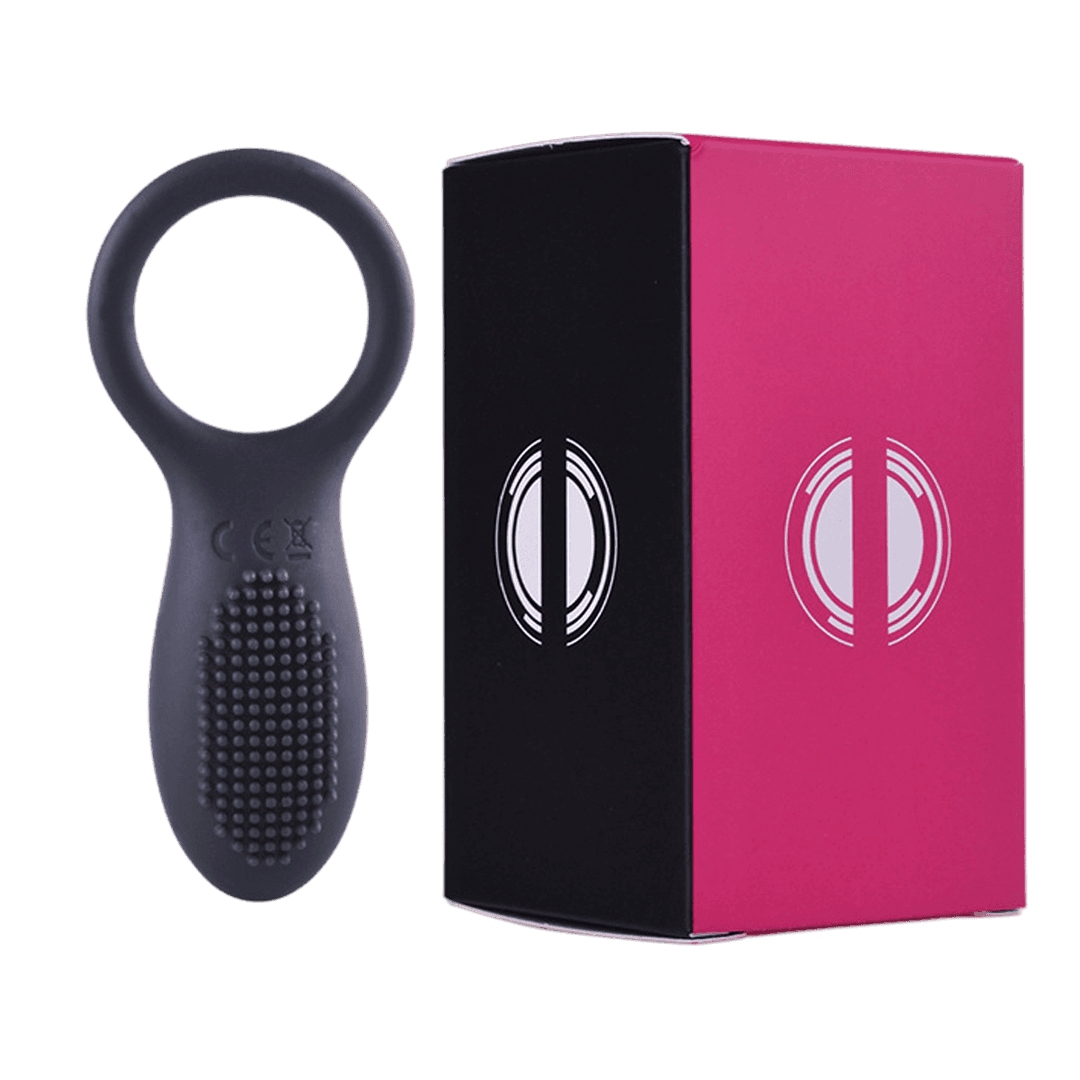
The Bond is a support tool. A well-fitted cock ring restricts blood outflow, which helps maintain firmness during the cool-down pauses of partner play — so you can pause without losing the erection. It does not train control by itself; it supports the training you are already doing.
This is also the difference between training and masking. Delay sprays and numbing creams chemically dull sensation — a temporary fix that teaches you nothing, and one that can cause its own problems (reduced pleasure, desensitization, transferring numbing agents to your partner). Devices train; sprays mask. Choose the one that compounds.
A 4-Week Home Training Plan
You do not need a gym or a coach. You need consistency.
Week 1: 10 minutes, 3–4 sessions. Stop-start with 3 cycles, focusing on breathing. Learn your baseline.
Week 2: 15 minutes. Add reverse kegels during the rest phases — actively release the pelvic floor as arousal drops.
Week 3: Introduce The Piston for hands-free stop-start. Practice reading your arousal level out loud (7... 7.5... 8...) to sharpen recognition.
Week 4: Partner integration. Use The Bond during sex, communicate when you need to pause, and apply the breathing techniques in the moment.
Consistency beats intensity. Ten focused minutes three times a week will outperform an occasional marathon session. Most men notice measurable change within 2–3 weeks.
Common Mistakes to Avoid
Over-gripping during practice. A death-grip style of training raises your pressure threshold and makes partner sex feel muted — the opposite of the goal.
Stopping at 9 instead of 7. If you wait until the very edge, you will cross the PONR by accident. Stop early.
Holding your breath. Tension feeds the accelerator. Breathe through the edge.
Expecting results in 3 days. The nervous system learns on a timeline of weeks, not sessions.
Ignoring the mental side. Performance anxiety is a self-fulfilling prophecy. The breathing and mental-reset drills are not optional.
Frequently Asked Questions
How long should a man last?
The average is about 5–7 minutes of intercourse. But the real goal of training is not a number — it is control. When you can choose when to finish, the question stops mattering.
Do stamina training devices actually work?
Yes. Devices like The Piston work by providing consistent, repeatable stimulation for stop-start practice, which is the core of ejaculation control training. They do not numb you — they train you.
Can kegel exercises help me last longer?
Yes — especially reverse kegels, which teach the pelvic floor to release rather than clench. A chronically tense pelvic floor is a major contributor to finishing fast.
Is premature ejaculation permanent?
No. It is the most treatable male sexual concern, and behavioral training is the first-line approach. If you see no improvement after 2–3 months of consistent training, a doctor or sex therapist can evaluate medical causes.
How long until I see results?
Most men notice a difference within 2–3 weeks of consistent practice, with meaningful, lasting control developing over 2–3 months.
Do delay sprays work?
They reduce sensation chemically, so you may last longer — but they mask the problem instead of training your nervous system, they reduce pleasure, and they can transfer to your partner. Training compounds; sprays do not.
Conclusion
Improving your stamina is not about willpower. It is about training your nervous system — learning to read the arousal scale, working the brake as well as the accelerator, and practicing with tools that give you honest feedback.
Stop-start. Breathe. Release the pelvic floor. Do it consistently for a month, and control stops being something you hope for and becomes something you have.