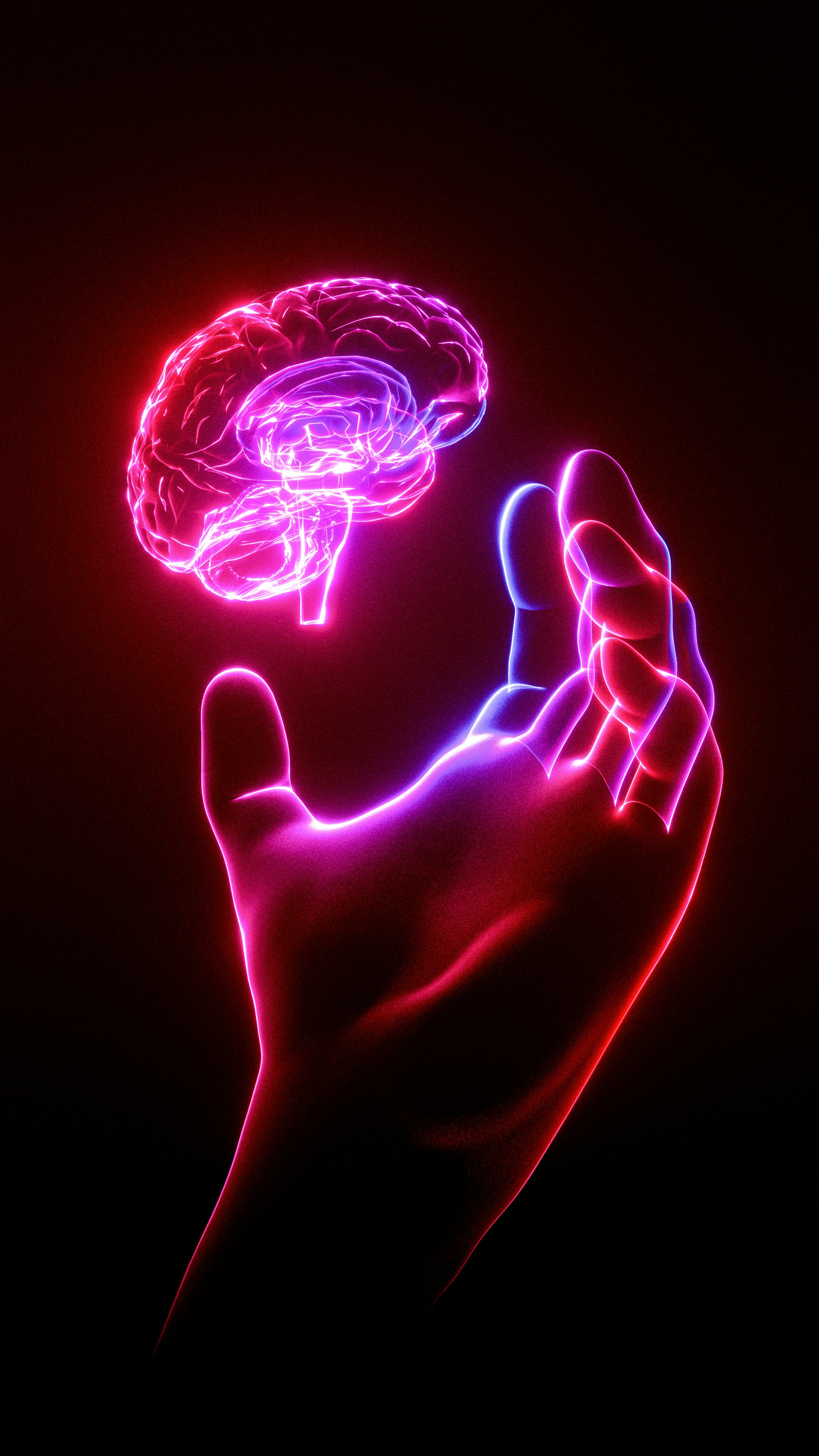
The Neural Darkroom: Why Your Brain Needs Darkness to See Pleasure
How your circadian rhythm governs your libido and why sensory hygiene is the key to morning vitality.
Dr. Ari Chen
Materials Scientist & Research Lead
Sleep ScienceNeuroscienceRecoveryHealth
Written By
Dr. Ari Chen
Deep diving into the chemistry of silicone, the physics of vibration, and the biology of pleasure. Where safety meets science.
The Inner Circle
Unlock 15% Off
Join our newsletter for expert intimacy tips, discreet guides, and exclusive member-only offers.
I used to think of sleep as something I did when I ran out of things to scroll through. It was the empty space between one day's chaos and the next. But here's the thing I've had to learn the hard way: sleep is not merely a period of inactivity. It's a wildly active state of neuro-chemical restoration, and honestly? It might be the most productive thing you do all day. In the hyper-connected, always-glowing landscape of 2026, sleep has quietly become the ultimate luxury and the most effective performance enhancer nobody's talking about. To understand why we feel "gray" and flat after a night of poor rest—that specific flavor of joylessness—we have to look into the "Neural Darkroom." That's where all the real work happens, and it only runs when the lights go out.
1. The Glymphatic System: The Brain's Nightly Wash
One of the coolest discoveries in recent neuroscience—and something I wish I'd known a decade ago—is the glymphatic system. While you're out cold, the space between your brain cells actually increases. Cerebrospinal fluid flows in and flushes out toxic metabolic waste products, stuff like beta-amyloid. Think of it as a nightly pressure wash for your gray matter. If this process gets interrupted by late-night doom-scrolling or the ambient glow of a streetlight creeping through the blinds, those toxins just... hang out. They accumulate. The result? That familiar "Brain Fog," the irritability that makes everyone annoying, and a significant drop in your basic capacity for pleasure. A clean brain is a prerequisite for a reward system that actually rewards you.
2. Circadian Desynchronization and Modern Arousal
Our biological clock—the circadian rhythm—governs almost every hormone in the human body. That includes the ones responsible for desire, vitality, and that feeling of actually wanting to be alive in the morning. In 2026, most of us are living in a state of "Circadian Desynchronization." By using artificial blue light to artificially extend our day, we suppress melatonin production and confuse the hell out of the pineal gland. This doesn't just make you tired. It actively blunts your dopamine receptors. Research shows that even one night of sleep deprivation can measurably reduce the availability of D2 dopamine receptors in the brain. Translation: everything—and I mean everything—feels less exciting the next day.
3. The Sensory Architecture of the Bedroom
For the modern consumer, the bedroom needs a rebrand. It should be treated as a "Sensory Vault." Every single element in this space should be optimized for parasympathetic activation—that's the "rest and digest" mode.
Visual Hygiene: Total darkness is non-negotiable. Seriously. Even a single blinking LED from a forgotten charger can fragment the depth of your REM cycles. Cover that little green demon with tape if you have to.
Thermal Regulation: The brain needs a drop in core temperature to initiate deep sleep. This is why the tactile quality of your bedding and the materials you interact with before bed matter so much more than thread count alone.
Haptic Comfort: The sensation of weight and specific textures can signal the brain to release oxytocin. That naturally lowers heart rate and prepares the body for actual recovery.
4. Reclaiming the "Morning After"
The quality of your morning is decided roughly ten hours before your alarm goes off. A successful sensory reset at night leads to what we call "Neurological Vitality" in the morning. This is the state where your nervous system is "up-regulated." Your senses are sharp. Your mood is stable—or at least not actively hostile. Your baseline for joy is actually restored. And here's the part people miss: this isn't achieved through caffeine. It's achieved through the structural repair of your neural pathways during deep, undisturbed sleep. Coffee is just borrowing energy from tomorrow. Sleep is making a deposit.
5. The Ritual of the "Digital Sundown"
To protect the Neural Darkroom, we advocate for a "Digital Sundown" at least 90 minutes before sleep. This is the transition from a visual-dominant world to a tactile-dominant one. It's about giving your eyes a break and letting your hands take over.
Replace the Phone with a Physical Anchor: Instead of the infinite scroll, engage in a ritual that involves physical sensation. Maybe it's a skincare routine with interesting textures, or a wellness practice that focuses on breath and touch. Give your thumbs something real to do.
Lower the Light Spectrum: Shift to warm, amber tones that mimic an actual sunset. This signals the brain to start the melatonin production line.
Tactile Grounding: Use materials that have a "Skin-Similar" feel. Medical-grade silicone and high-quality natural fibers are ideal here. They provide the least amount of "sensory friction," letting your nervous system coast into rest mode.
6. Conclusion: Sleep as an Act of Resistance
Look, in a world that demands 24/7 productivity, availability, and consumption, choosing to prioritize deep, restorative sleep is a quiet act of biological resistance. It's the most effective way to protect your mental health, your physical drive, and your actual capacity for real-world connection. By honoring your circadian rhythm and curating a sensory environment that supports the Neural Darkroom, you're ensuring that your brain remains a vibrant, responsive organ—one that's capable of experiencing the full, messy, beautiful spectrum of human life. Turn off the lights. Let the darkroom do its work.
The Neural Darkroom: Why Your Brain Needs Darkness to See Pleasure | MythToy Blog