The Minimalist Brain: How Reducing Sensory Noise Unlocks Peak Flow States
Why the "Paradox of Choice" is killing your creativity and how to curate a high-quality physical environment for maximum well-being.
Dr. Ari Chen
Materials Scientist & Research Lead
MinimalismNeuroscienceFocusLifestyle
Written By
Dr. Ari Chen
Deep diving into the chemistry of silicone, the physics of vibration, and the biology of pleasure. Where safety meets science.
The Inner Circle
Unlock 15% Off
Join our newsletter for expert intimacy tips, discreet guides, and exclusive member-only offers.
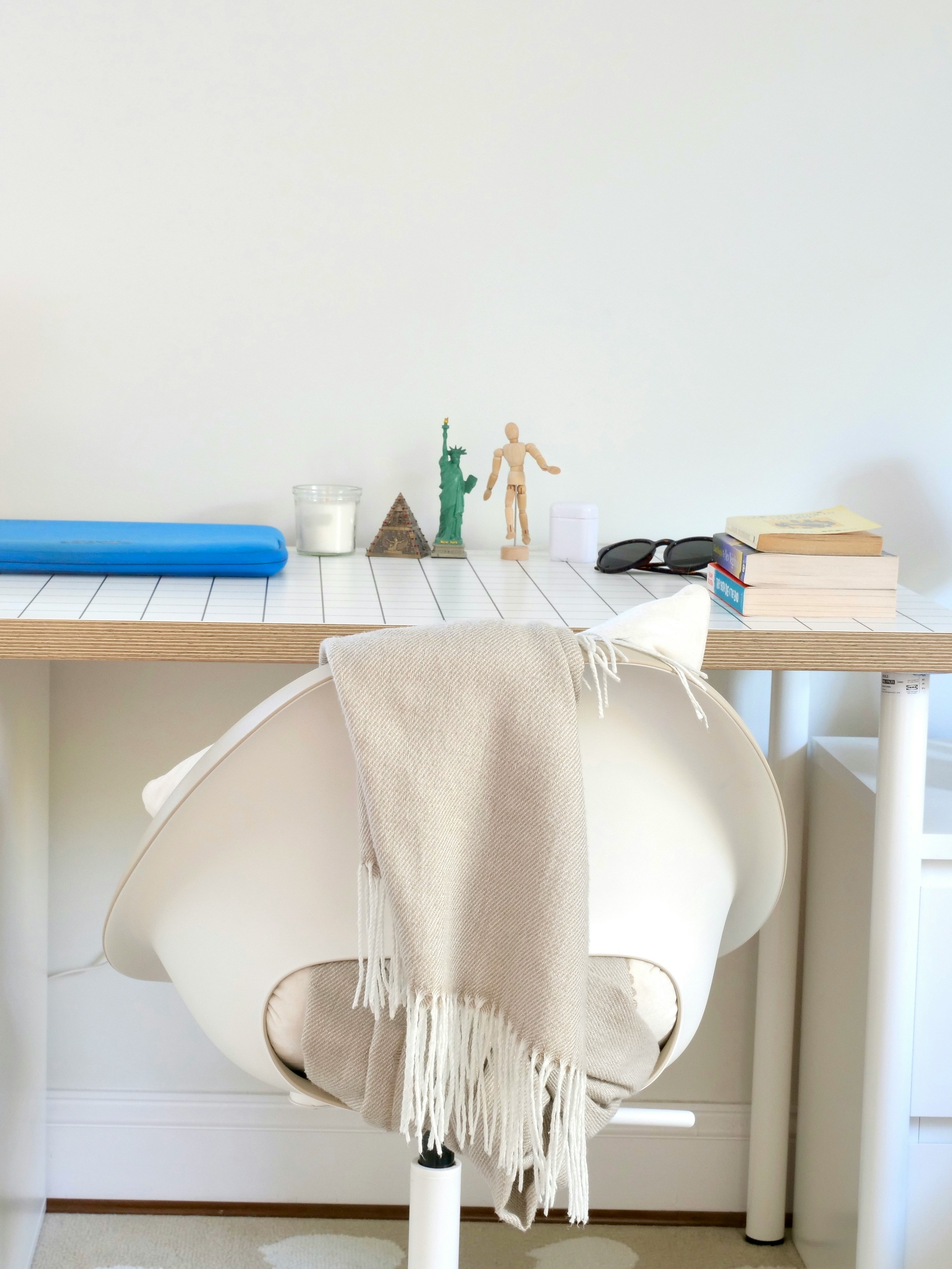
I cleaned my desk last weekend. Not a surface-level tidy—I mean I actually removed things. The random USB cables. The freebie conference swag. The cute but useless paperweight. And I noticed something weird: after about an hour, my shoulders dropped. I could think again. We live in an age of "Sensory Clutter." Every blinking LED, every notification, every low-quality plastic object lurking in our peripheral vision consumes a small but real portion of our "Cognitive Load." It's like having a dozen browser tabs open in the background of your brain. Over the course of a day, this creates a grinding state of decision fatigue and mental exhaustion that leaves us unable to enjoy the things that actually matter. To reach a "Flow State"—that elusive, almost magical feeling of being fully immersed, energized, and focused—we have to perform a radical curation of our physical and digital environments.
1. The Neuroscience of Visual Noise and Cortisol
Here's something that made me look at clutter differently. The human visual system is constantly, automatically scanning the environment for threats and novelties. It's an ancient survival mechanism. But in 2026, a cluttered space filled with cheap, disposable items sends a constant stream of "low-priority noise" to the brain. Even if you're not consciously looking at that pile of stuff in the corner, your brain is still processing it. The result? Chronically elevated cortisol levels. Minimalism isn't just a design aesthetic for Instagram. It's a neurological necessity for deep work and deep relaxation. By removing the "Visual Noise," you literally free up neural bandwidth for higher-order thinking and more profound sensory experiences. Studies have shown that a "Clean Sensory Field" can increase task persistence by up to 40%. That's not because people suddenly got more disciplined. It's because their brains stopped wasting energy on ignoring irrelevant stimuli.
2. The Paradox of Choice in Personal Wellness
In 2026, the consumer market is absolutely flooded with endless variations of the same product. A hundred slightly different versions of the same thing. And while choice is marketed as "freedom," it often delivers the opposite. Psychologists call it "Analysis Paralysis." When we have too many options, the brain spends so much energy on the decision-making process that it has nothing left for the actual enjoyment of whatever we finally pick. The minimalist approach to retail—and to life—is "One, but Perfect." By investing in a single, exceptional object that serves multiple sensory needs, you simplify your brain's decision-making architecture. This reduction in choice paradoxically leads to higher satisfaction levels. Why? Because the "Opportunity Cost"—that nagging fear of missing out on a better option—is completely eliminated. You're not wondering if the grass is greener. You're just enjoying the grass you're standing on.
3. Engineering Flow Through Tactile Consistency
Flow states are achieved when the challenge of a task matches our skill level, sure. But they're maintained by a consistent sensory environment. High-end lifestyle products contribute to this by providing a predictable, high-quality tactile experience. When the materials feel consistent—the same reassuring weight, the same thermal conductivity, the same surface friction every time—the brain can "automate" the interaction. The tool becomes an extension of the body. Whether you're using a precision instrument or a wellness device, the lack of "Sensory Friction" is what allows for the expansion of consciousness. It's the difference between wrestling with a cheap, squeaky tool and forgetting the tool even exists because it works so seamlessly with your body.
4. The Digital Declutter: Reclaiming the Prefrontal Cortex
Let's be real. Our digital environments are the single greatest source of noise in 2026. The "Infinite Scroll" and those "Variable Rewards" we talked about in previous articles? They're engineered to keep the brain in a reactive, dopamine-chasing state. To enter a flow state—to actually think deeply about anything—the prefrontal cortex needs to be in control. This requires intentional, protected periods of digital silence. By replacing digital stimulation with analog, high-resolution physical objects, you provide your brain with the "Grounding Signals" it needs to slow down its frantic processing speed and increase its depth of focus. This isn't about being "anti-tech." I'm not suggesting we all move to log cabins. It's about being "pro-human"—intentionally designing moments where your biology gets to drive, not the algorithm.
5. Conclusion: Curating Your Reality
Minimalism in 2026 is really about the "Signal-to-Noise" ratio. By removing the low-quality noise from your life—the cheap materials, the excessive choices, the relentless digital clutter—you allow your brain to finally enter the deep, restorative states it was designed for. Satisfaction isn't found in the frantic accumulation of many things. It's found in the deep, unhurried engagement with a few exceptional ones. Your environment is the blueprint of your mind. Curate it with the precision it deserves.
The Minimalist Brain: How Reducing Sensory Noise Unlocks Peak Flow States | MythToy Blog