Breaking stigmas around male pleasure. Expert advice on stamina training, prostate health, and ergonomic design.
The Inner Circle
Unlock 15% Off
Join our newsletter for expert intimacy tips, discreet guides, and exclusive member-only offers.
The prostate — often called the male P-spot or the "male G-spot" — is one of the most misunderstood parts of male anatomy. Packed with nerve endings, it can produce orgasms described as deeper, longer, and more full-body than anything penile stimulation alone delivers.
Yet most men never explore it. Not because it is dangerous, but because nobody ever taught them how.
This guide is that lesson: the anatomy, the preparation, the technique, and the tools — everything you need for a safe, comfortable first exploration.
What Exactly Is the P-Spot?
The prostate is a walnut-sized gland that sits just below the bladder, roughly 2–3 inches inside the rectum, toward the front of the body (in the direction of your belly button).
When you reach it, it feels like a small, firm, rounded bump — many men compare the texture to the tip of their nose.
Why does it feel so good? Two reasons:
Nerve density. The prostate is wired with one of the densest networks of sensitive nerve endings in the male body.
Biology. It plays a central role in ejaculation, which is why stimulation here often produces a climax that feels fuller and lasts longer than usual.
There is a health angle, too: regular prostate massage is linked to better pelvic blood flow and is sometimes used to help manage symptoms of benign prostatic hyperplasia (BPH). If you want the deeper science, read our guide to the health benefits of prostate massage.
The Mental Hurdle: Why Men Hesitate
Before we get to technique, let's address the elephant in the room. Most hesitation about P-spot play is psychological, not physical.
"Does this say something about my sexuality?"
No. Stimulating a nerve-dense gland is a physical act, not a declaration. Orientation is about who you are attracted to — it has nothing to do with where nerve endings happen to be located.
"Is this shameful?"
The shame is a leftover of outdated taboos, not a reflection of the act itself. Millions of men explore prostate pleasure; they just don't talk about it.
"Will it hurt?"
It should not — and if you follow the preparation steps below, first-time discomfort is almost always avoidable.
Preparation: The Non-Negotiables
Internal exploration has rules. Follow them and the experience stays safe and comfortable.
Hygiene. A shower and a gentle wash with warm water and mild soap is sufficient for shallow exploration. A basic enema is an option for extra peace of mind, but it is not strictly necessary.
Lubrication. The rectum does not self-lubricate — this is the step most first-timers skip, and the one that matters most. Use a generous amount of a high-quality water-based lubricant, and reapply as needed. Not sure what to pick? See our guide to water vs. silicone lubricants.
Relaxation. The external sphincter muscle resists tension. Deep, slow, diaphragmatic breathing is your best tool. Never push through pain — discomfort means pause, breathe, add lube, and try again slower.
The flared base rule. Any toy used internally must have a flared base or secure pull ring. This is non-negotiable safety — it prevents the object from traveling out of reach.
Trimmed nails. If you are starting with fingers, trim and file them smooth.
Step-by-Step: Your First Exploration
Here is exactly how a safe first session goes.
Step 1: Warm Up Externally
Before anything goes inside, spend a few minutes massaging the perineum — the area between the scrotum and the anus. This relaxes the pelvic floor and provides a preview of the sensation, because the prostate sits just above this area.
Step 2: Lube Generously
Apply lube to the toy and to yourself. More than you think you need.
Step 3: Get Into Position
Lie on your side with your knees pulled toward your chest, or squat if that feels more natural. The best position is whichever one lets you stay relaxed.
Step 4: Insert Slowly
Angle the toy or finger toward your belly button and insert gently, exhaling as you go. Pause whenever you feel tension and let the muscle adjust. There is no prize for speed.
Step 5: Find the Spot
At roughly 2–3 inches in, press toward the front wall of the rectum. You are looking for a firm, rounded bump. Found it? That is the P-spot.
Step 6: Experiment Gently
Start with soft pressure and a slow "come here" curling motion rather than thrusting. If your toy has vibration, low settings are best for a first session.
Step 7: No Finish-Line Pressure
Your first few sessions are about learning the map, not reaching a destination. Many men do not climax from internal stimulation the first time — that is completely normal. The orgasms come later, once your body has learned the language.
The Best Tools for First-Timers
A dedicated toy beats fingers for reach, angle, and control — and it is worth starting with one designed for the job. Here are three options, from gentlest entry point to full internal exploration:
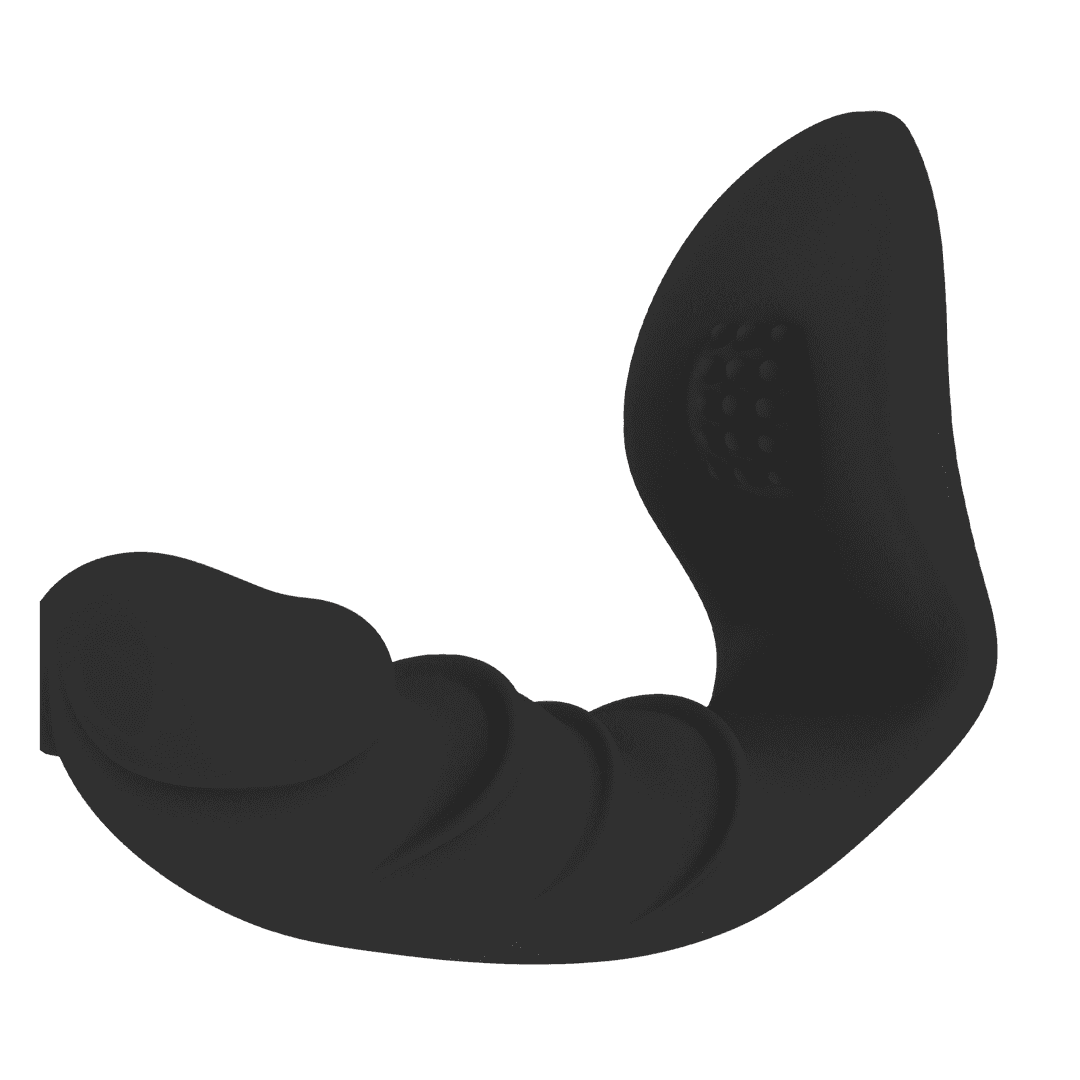
Experience prostate-adjacent pleasure with zero insertion, perfect for the nervous
Secure pull ring + wireless remote means total control, spiral texture spreads sensation
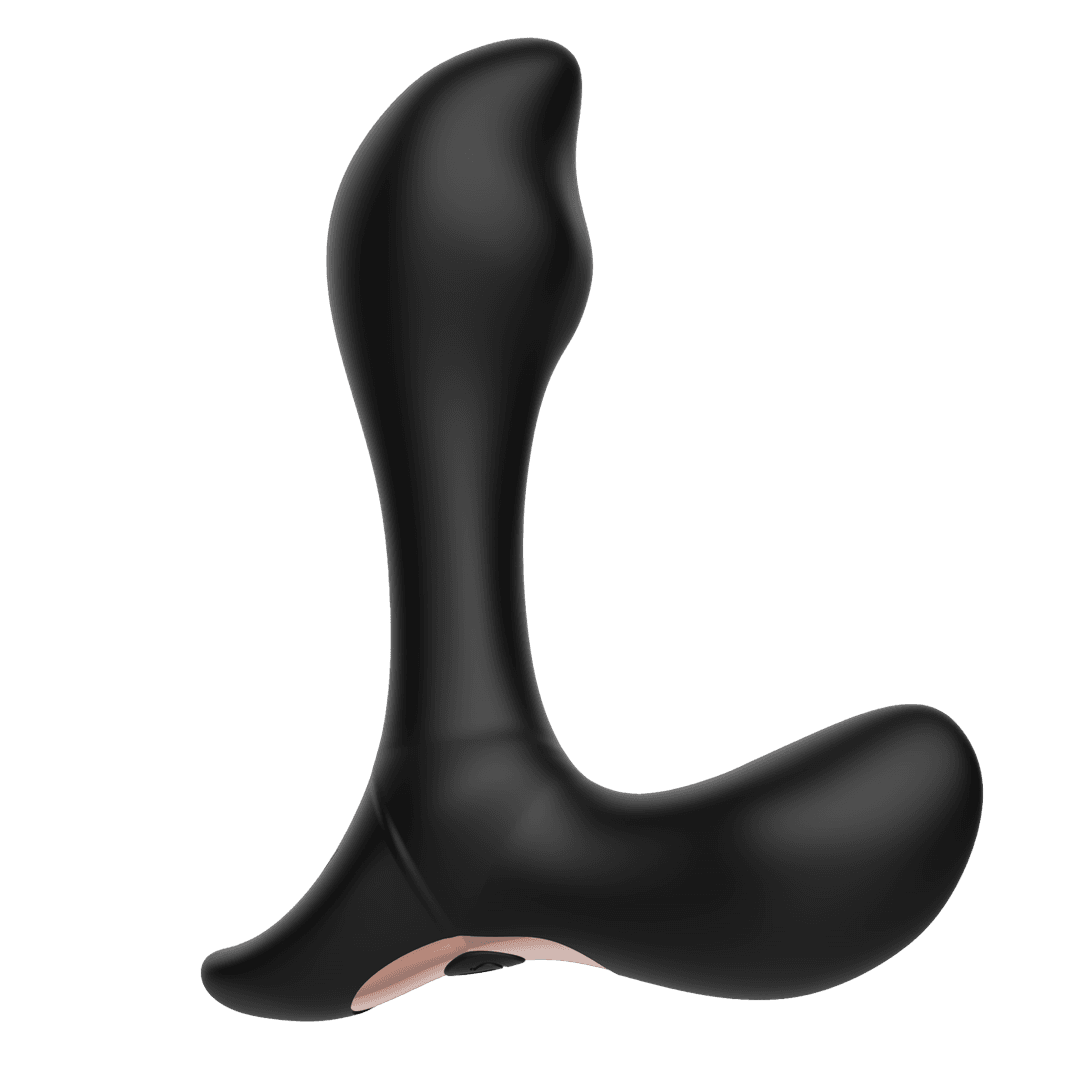
Curved tip finds the P-spot naturally with minimal searching
Best for
Your very first step, or anyone who wants to stay external
First internal sessions, texture lovers
When you are comfortable and want targeted internal massage
Whichever you choose, clean it before and after every session — our complete toy care guide covers the routine.
Mistakes That Turn People Off P-Spot Play
Avoid these common first-timer errors and your experience will be dramatically better:
Skipping lube. The single biggest cause of discomfort.
Rushing insertion. Let the muscle relax; never force it.
Using objects without a flared base. If it has no flare or ring, it does not belong inside you.
Holding your breath. Tension and P-spot play are enemies. Breathe through it.
Expecting a first-session orgasm. Treat early sessions as exploration, not performance.
Starting internally when you are nervous. External perineum play is a legitimate first step — The Orca exists for exactly this.
Frequently Asked Questions
Is P-spot play safe?
Yes. With a flared-base toy, plenty of lube, and a gentle pace, internal exploration is safe. The rules are simple: no pain, no force, no flareless objects.
Will exploring my P-spot change my sexuality?
No. Nerve endings do not care about orientation. This is anatomy, not identity — read our gentleman's guide to the male G-spot for more on the mindset.
Does it hurt the first time?
It should not. You may feel unusual pressure or a mild "full" sensation, but pain is a signal to pause, breathe, and add lube. Persistent pain means stop.
How do I know I have found it?
The prostate is a firm, rounded bump 2–3 inches in on the front wall of the rectum. Pressing it may briefly trigger a feeling like you need to urinate — that is normal and passes; it just means you are touching the right spot.
Fingers or a toy?
Both work. Fingers are free and give instant feedback — great for your first anatomy lesson. A toy offers better reach, vibration, and hands-free control. Many men start with fingers and graduate to a toy.
How deep is the prostate?
Only 2–3 inches (5–7 cm) inside. It is shallow — which is part of why first-time play is easier than most men expect.
Conclusion
The biggest barrier between men and the P-spot has never been anatomy. It is education — and now you have it.
Start external if you want. Breathe. Use lube. Respect the no-pain rule. Explore at your own pace, and let curiosity replace hesitation.